
Hormonal Rhythm Series: What We Covered in Session 3 With One More Session in the Series To Go!

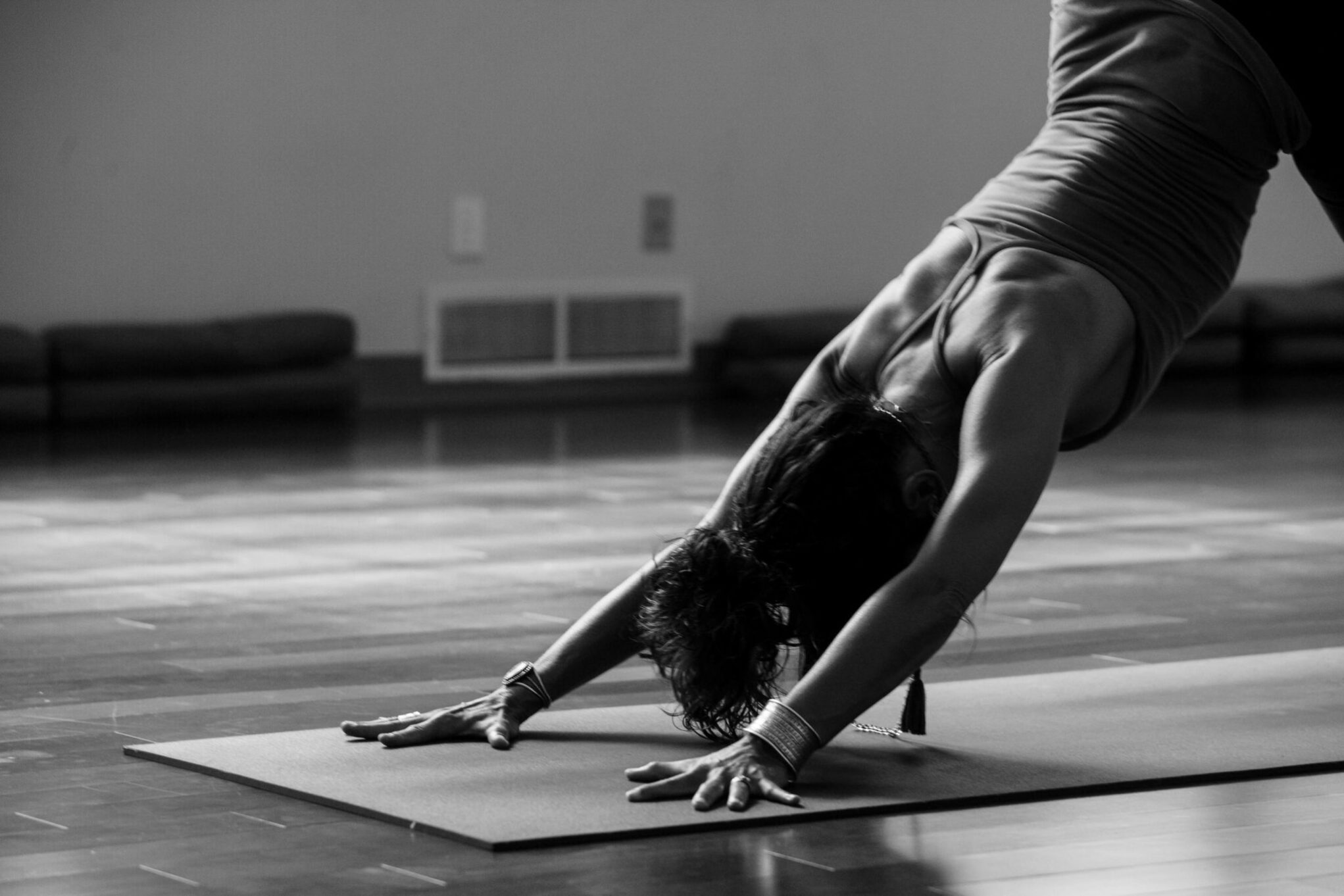
We just wrapped up Session 3 of the Hormonal Rhythm Series, where we focused on movement — and how your cycle can influence the way your body responds to it.
One of the most common things that comes up in this area is confusion and frustration.
You can follow the same workout plan, show up with the same intention, and still have completely different experiences depending on the week. Some days you feel strong and motivated. Other days, the same workout feels heavier, slower, or harder to recover from.
It’s easy to interpret that as inconsistency or a lack of discipline. But more often, it’s a reflection of what’s happening hormonally.
Why things feel different week to week
Across the menstrual cycle, hormones like estrogen and progesterone shift in predictable ways. These shifts don’t just affect mood. They also influence strength, endurance, recovery, and motivation.
In the follicular phase (the first half of the cycle), rising estrogen supports more efficient use of stored carbohydrates (glycogen) and may support muscle adaptation and recovery. This is often when workouts feel more productive and energy feels more steady.
Around ovulation, when estrogen peaks, some research suggests improvements in strength, coordination, and overall performance. This can feel like a natural window for higher intensity training or pushing a bit more — when it feels aligned.
In the luteal phase, progesterone rises and the body shifts into a different state. Some studies suggest that exercise may feel more demanding during this phase, with slightly higher cardiovascular strain and changes in energy use. For many people, this is when workouts feel heavier and recovery takes longer.
What we focused on in Session 3
Rather than creating rigid rules, this session focused on awareness and flexibility.
The goal wasn’t to overhaul your workouts, but to understand why things feel different, and how to adjust without feeling like you’re constantly starting over.
We talked about:
• how hormonal shifts influence strength, recovery, and training capacity
• why motivation and energy fluctuate
• how to lean into higher energy phases
• when to pull back or shift intensity
A big part of the conversation was redefining consistency. Consistency doesn’t mean doing the exact same workout every day. It means continuing to show up in a way that supports your body, even when that looks different from week to week and from person to person.
Working with your body
For many of us, this is a shift in mindset.
This season of life often involves building routines, careers, relationships, and future plans, and it quickly becomes very clear when your energy isn’t keeping up. Understanding your cycle gives you a framework to work with your body instead of constantly pushing against it.
That might look like leaning into higher intensity when energy is there, and choosing lower intensity or recovery when it’s not (without stepping away from your routine entirely!). If you can create movement around socialization I think that is also superb.
Over time, this approach tends to feel more sustainable, and a lot less frustrating.
Looking ahead
In the final session, we’ll focus on recovery, including sleep, stress, and nervous system support, and how those pieces tie into hormone health.
Push, recover, create buffer while continuing to move forward in your goals in your current life.
We're Here When You’re Ready
For the first visit, the follow-up, and everything in between.
Recent Articles
 Iron & Anemia: More Than Just Fatigue
- Why Female Endurance Athletes Are at Higher Risk for Iron Deficiency, & How It Can Impact Performance
- Looking Beyond the Scale: Why Visceral Fat Matters
- Understanding Your Iron Blood Work: What the Numbers Actually Mean
- Spring Reset: Energy, Hormones, and Building Your Life (and Garden)
Start Your Best Health, Today
Contact us to schedule a complimentary consultation