
Why Female Endurance Athletes Are at Higher Risk for Iron Deficiency, & How It Can Impact Performance
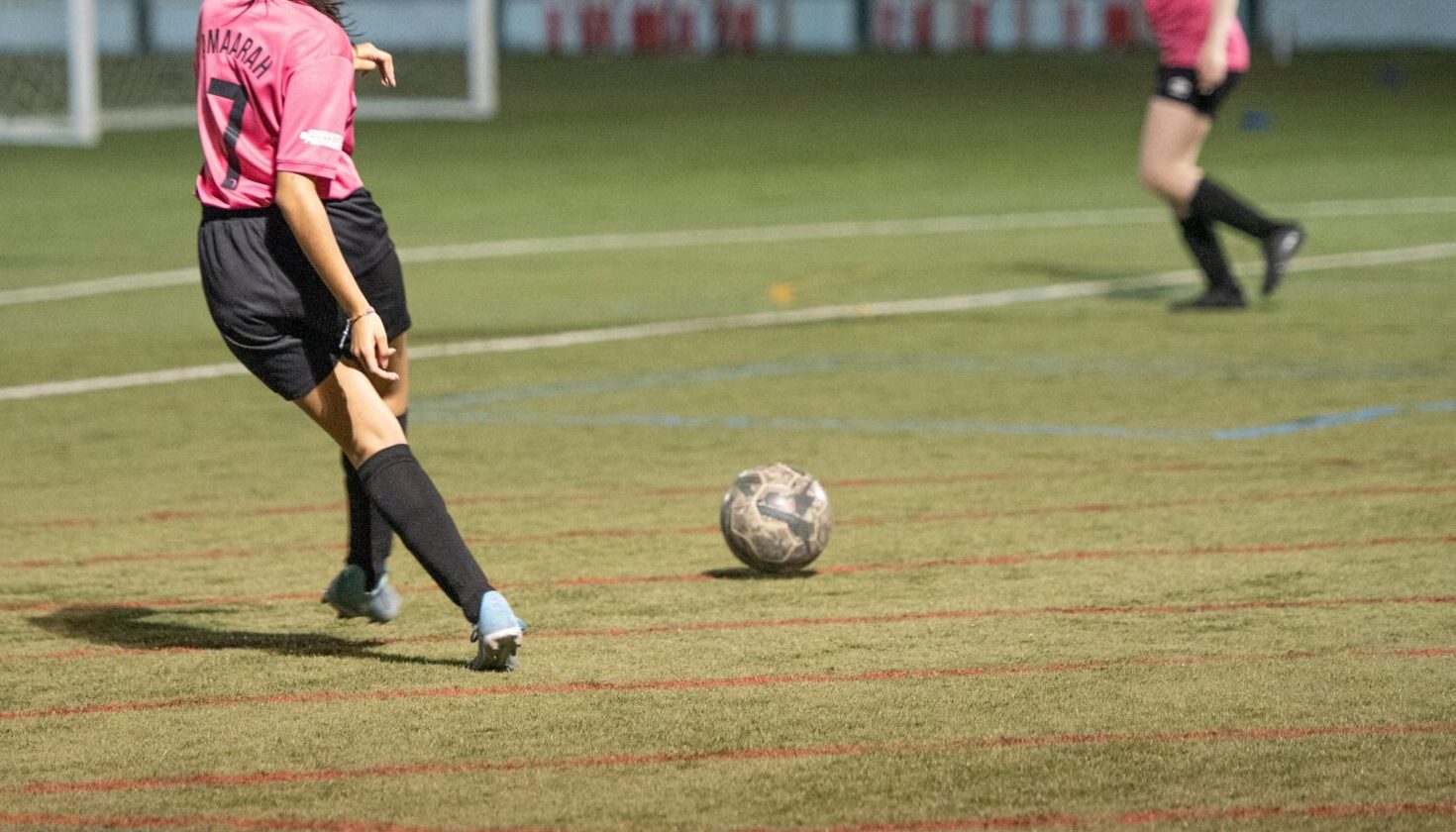

With pre-season university soccer starting up, this time of year always makes me think back to my own time as a female athlete.
As a female endurance athlete, so much of the focus is on training harder, getting stronger, getting faster and performing better. But do you ever feel like you’re training consistently but then training starts to feel harder than it should be? All of a sudden you don’t feel like you can recover, legs are heavy, you can’t keep up the pace, you need more rest, injuries linger, mid afternoon naps are now part of your day to day.
And no, it’s not about not training hard enough and that doing more is the answer. Performance isn’t just about what happens during practice. It’s also about how well you’re fueling, recovering and supporting your body behind the scenes so you can keep going through the season or cross that finish line.
Iron deficiency is one explanation for why things may feel different.
Why are female athletes at higher risk of iron deficiency?
There isn’t one single reason. Several factors can overlap.
- Menstrual blood loss: Have your periods become heavier?
For menstruating athletes, iron is lost with every period. For those with heavy or prolonged periods, these losses can be significant.
If your periods have become heavier or longer, this is an important part of the bigger picture when evaluating your iron status.
- Consider the increased demands from training
Iron is essential for hemoglobin production, oxygen transport and cellular energy production—all processes athletes rely on.
As training volume and intensity increase, maintaining adequate iron availability becomes increasingly important.
- Have you increased your fueling intake to match your current output?
Athletes can unintentionally under-fuel when training increases, portions become smaller, calories are restricted or meals are skipped.
If you’re not consuming enough overall energy—or enough iron-rich foods—it can become difficult to meet your body’s needs.
Heme iron from foods such as beef, poultry and seafood is generally more readily absorbed than non-heme iron from plant foods. This doesn’t mean you need to eat red meat, but if you eat little or no animal products, being intentional about iron-rich foods becomes particularly important.
One interesting point: exercise & hepcidin
Your body has a hormone called hepcidin, a key regulator of iron absorption and availability.
Following endurance exercise, hepcidin can increase for several hours, temporarily reducing iron absorption and the release of stored and recycled iron.
Strenuous exercise can also trigger an inflammatory response that contributes to this increase.
This creates another important consideration when looking at ferritin. Ferritin is both an iron-storage protein and an acute-phase reactant. Inflammation can increase ferritin, meaning a higher ferritin doesn’t necessarily mean iron stores are adequate. This means ferritin alone doesn’t necessarily tell the whole story and iron status should be interpreted in context.
So, what might iron deficiency look like?
For an athlete, it can look a lot like “I’m just training hard.”
You may notice:
- Fatigue
- Heavy or tired legs
- Decreased endurance
- Your usual pace feeling harder
- Longer recovery
- Reduced exercise tolerance
- Brain fog
Why does this matter for performance?
Iron plays a fundamental role in transporting and using oxygen during exercise. Research in female athletes has found associations between iron deficiency and reduced endurance performance, with some studies showing improvements following iron treatment in iron-deficient athletes.
If your performance or recovery has changed as a female endurance athlete, don’t automatically assume you need to train harder. Iron deficiency can affect performance before anemia develops and it may be worth investigating.
Your body is part of your training
Training is supposed to be hard. But there’s a difference between training being hard and your body no longer responding to training the way it normally does.
If this sounds familiar, it may not be as simple as starting an iron supplement. If you’re interested in optimizing your training, feel free to book a complimentary consult so we can discuss your options together.
We're Here When You’re Ready
For the first visit, the follow-up, and everything in between.
Recent Articles
 Looking Beyond the Scale: Why Visceral Fat Matters
- Hormonal Rhythm Series: What We Covered in Session 3 With One More Session in the Series To Go!
- Understanding Your Iron Blood Work: What the Numbers Actually Mean
- Spring Reset: Energy, Hormones, and Building Your Life (and Garden)
- Hormonal Rhythm Series: What We Covered in Session One, and What’s Coming Next
Start Your Best Health, Today
Contact us to schedule a complimentary consultation